by James Sanchez | Oct 15, 2026 | Articles
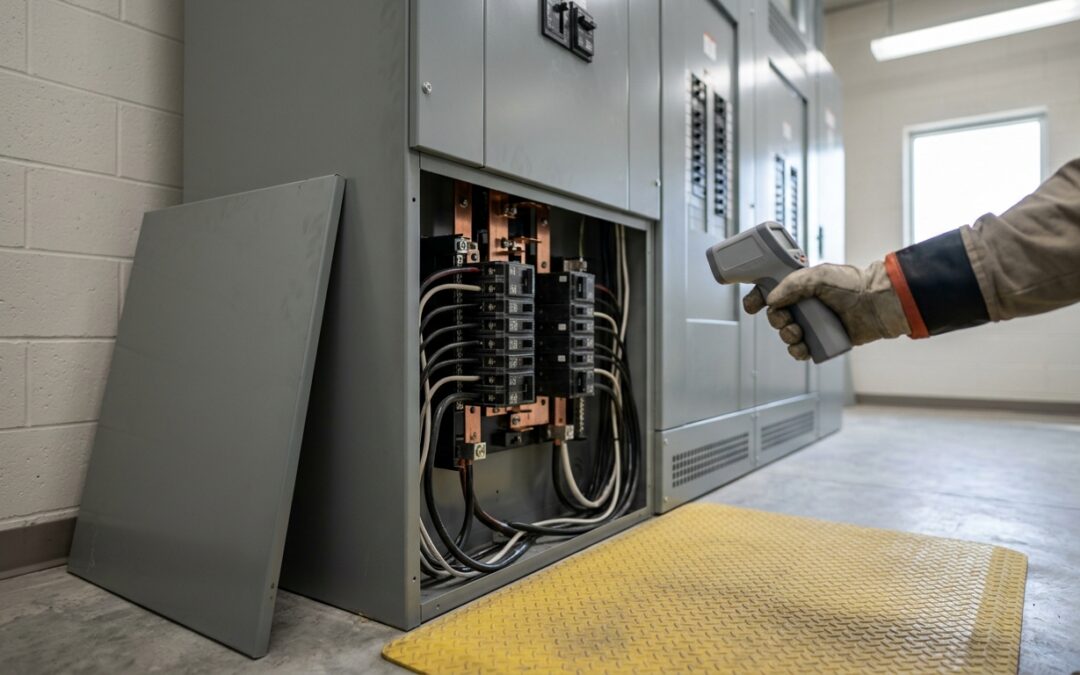
At a glance: A commercial solar feasibility study decides whether a Florida project can be built, financed, and finished in time. This guide covers the five tests a study should run (energy use and tariff, sun and shade, roof life, structure and wind, and electrical...
by James Sanchez | Oct 6, 2026 | Articles
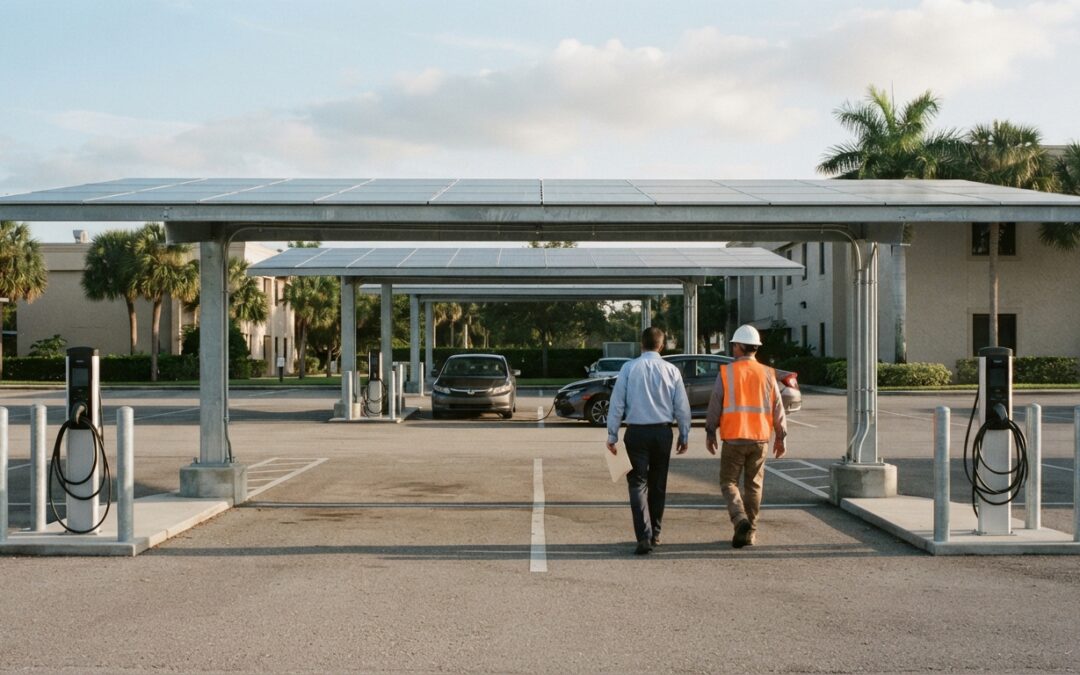
At a glance: A solar carport offsets EV charging energy over the year, but it cannot power chargers in real time, so the charger mix, the electrical service, load management, and the demand charge decide the result. This guide shows how much charging one covered space...
by James Sanchez | Oct 6, 2026 | Articles
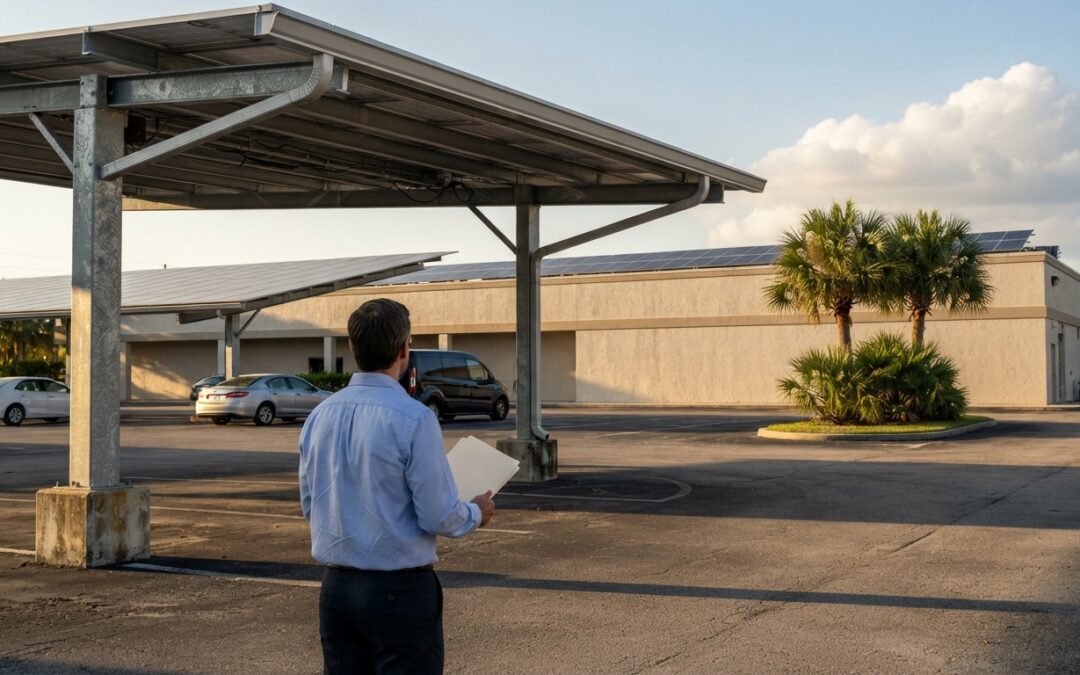
At a glance: A commercial solar carport in Florida costs more per watt than a rooftop array because the price carries engineered steel, foundations, and parking-lot work. This guide shows where carport money goes, what the published cost numbers measure and miss, how...
by James Sanchez | Oct 6, 2026 | Articles
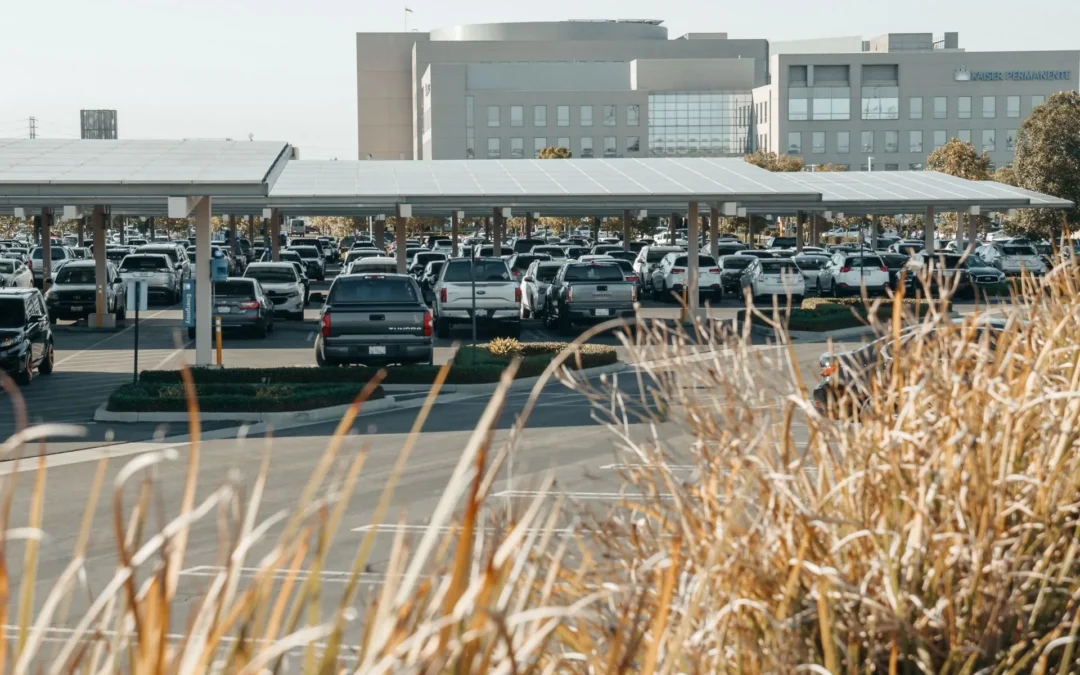
At a glance: Parking lot solar vs rooftop solar on a Florida commercial property is a site-selection decision, and price per watt is the wrong place to start. This guide tests four site facts: the roof’s remaining life against the array’s, usable roof area...
by James Sanchez | Oct 6, 2026 | Articles
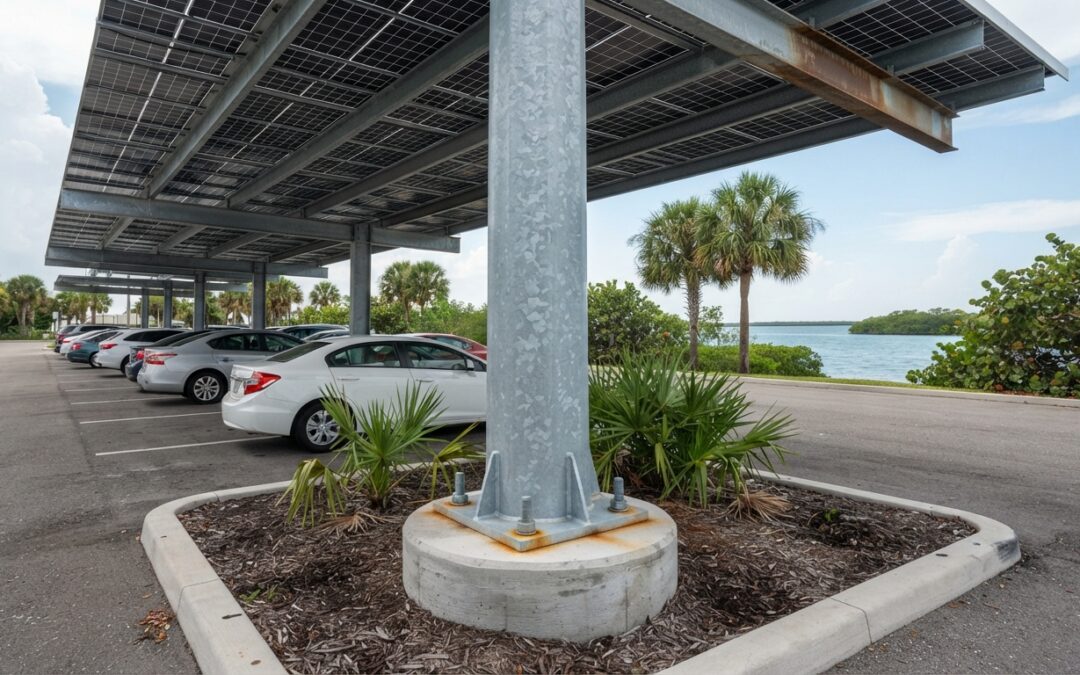
At a glance: A hurricane rating on a solar carport is a design wind speed, and in South Florida the right number depends on the county, the risk category, and the exposure of the lot. This guide shows the Florida Building Code’s HVHZ values for Miami-Dade and...

by James Sanchez | Oct 6, 2026 | Articles
At a glance: Whether a Florida parking lot can carry a solar carport is decided by the site, not the panels. This guide covers which property types make strong carport applications, what a solar carport site assessment examines (shade, buried utilities, soils, wind...
by James Sanchez | Oct 1, 2026 | Articles
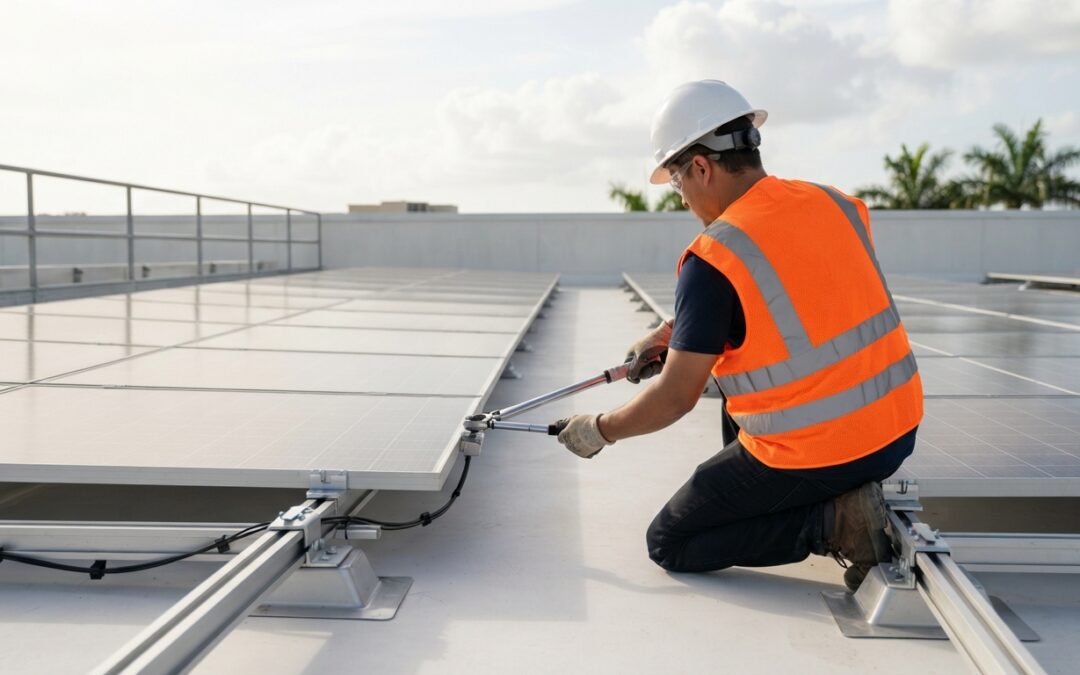
At a glance: Most rooftop arrays that fail in hurricane winds fail at loose clamp hardware, a finding FEMA documented after Hurricanes Irma and Maria. This guide explains how commercial arrays fail, why removal before a storm rarely makes sense while a planned...
by James Sanchez | Oct 1, 2026 | Articles
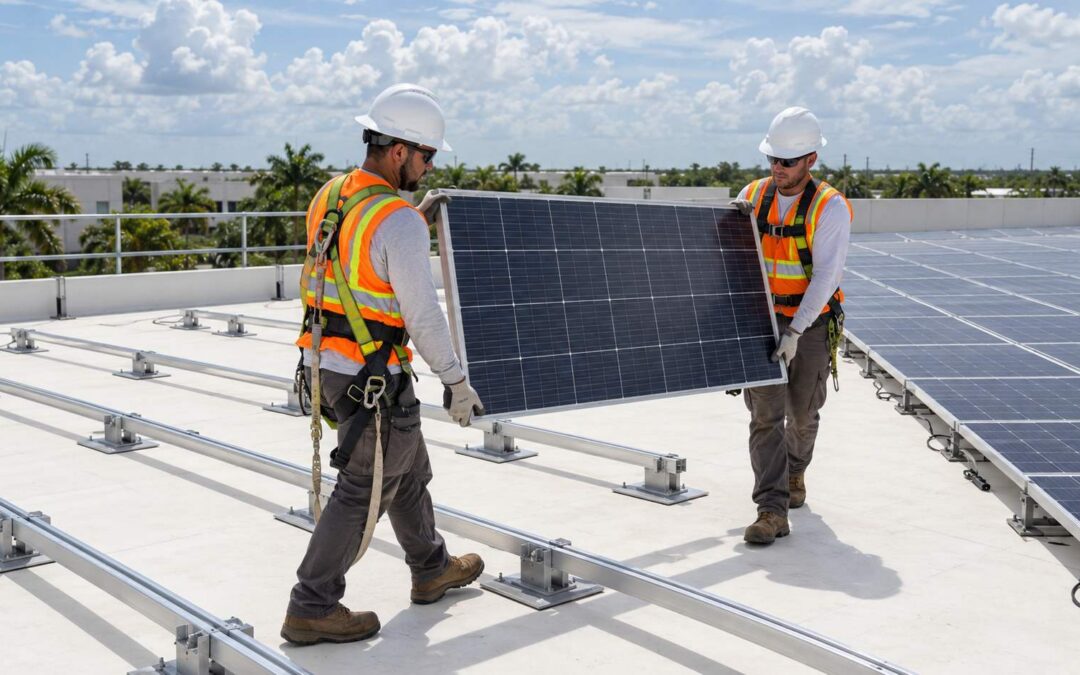
At a glance: The July 4, 2026 begin-construction date for the federal Section 48E solar credit has passed, and a commercial project that missed it must now be placed in service by December 31, 2027. This guide shows which deadline governs each project, how a June 2026...
by James Sanchez | Oct 1, 2026 | Articles
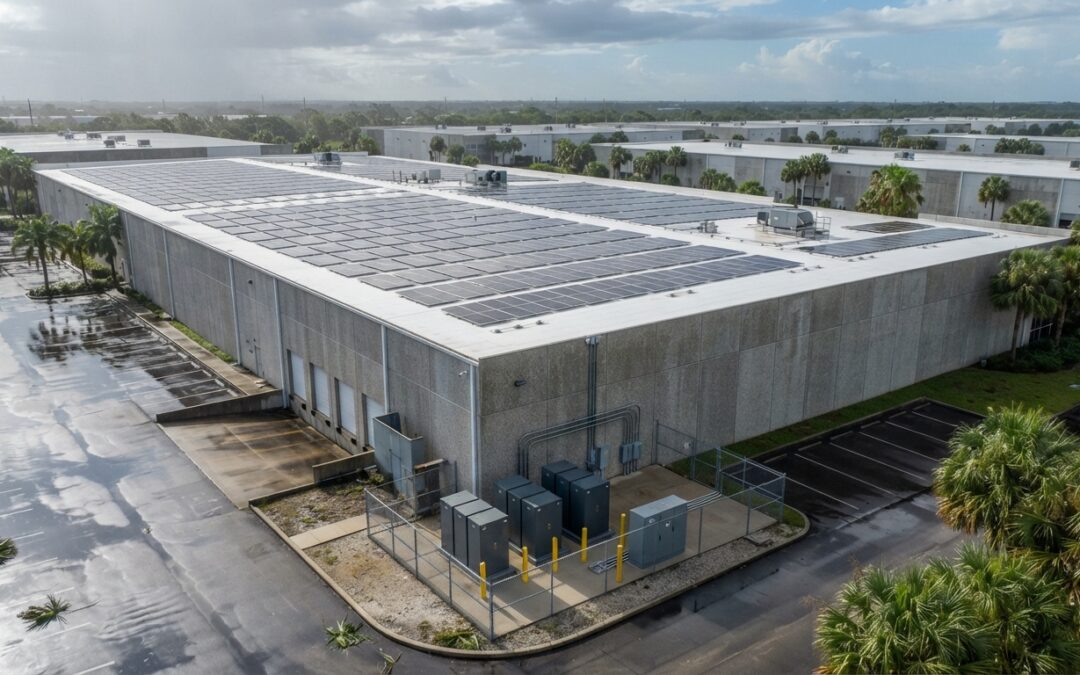
At a glance: A grid-tied solar array shuts off when utility power fails, so backup comes from the battery, the inverter that can form an island, and the switchgear that separates the building from the grid. Run time depends on the critical-load list, cooling demand,...
by James Sanchez | Oct 1, 2026 | Articles
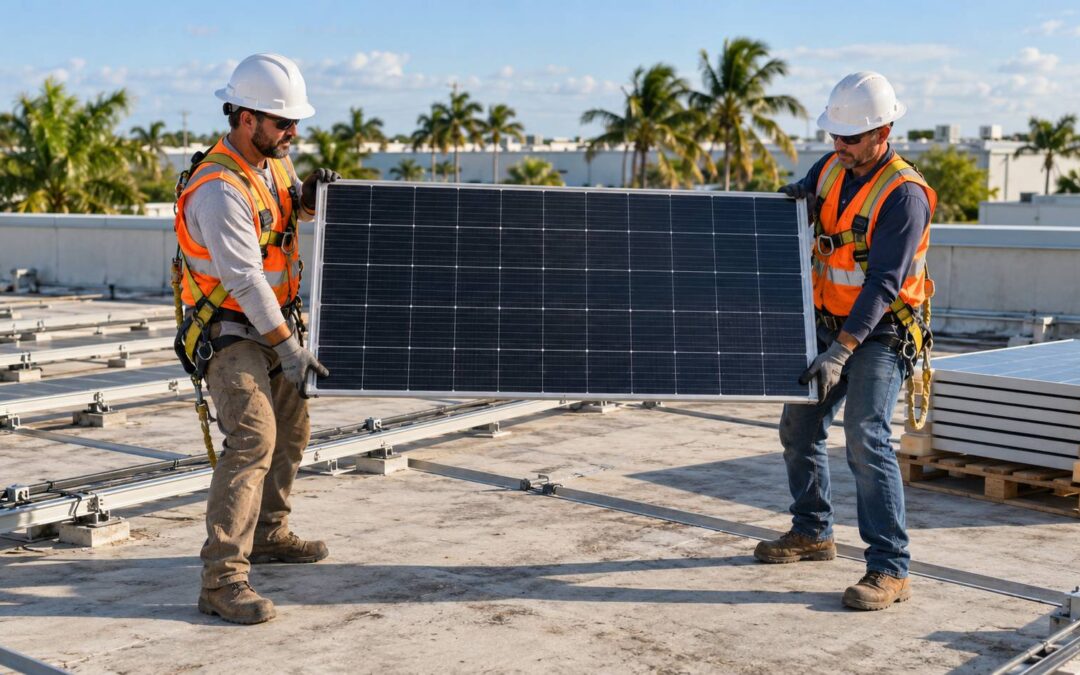
At a glance: When a commercial roof wears out before the rooftop array on it, the array has to come off before the roof can be replaced, and that removal is a construction project with electrical, permitting, utility, warranty, and tax consequences. This guide...