Welcome to Advanced Green Technologies

Role of a Solar Service Technician in Maintaining System Performance
Understanding the Role of a Solar Service Technician

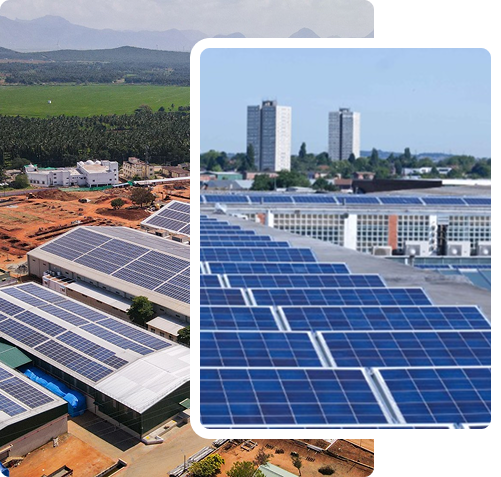
A solar service technician plays a pivotal role in ensuring the optimal performance of solar energy systems. Their responsibilities encompass routine inspections, diagnostics, troubleshooting, and repairs that help maintain long-term efficiency. These experts are essential partners in commercial solar maintenance, working closely with contractors to prevent energy loss and extend system life.

At Advanced Green Technologies, our technicians proudly provide these vital services across major Florida cities, including Miami, Palm Beach, Tampa, Jacksonville, Fort Lauderdale, Fort Myers, and Orlando. Their hands-on expertise ensures that both small-scale and large commercial solar installations continue operating safely and efficiently throughout the year.

Why Regular Commercial Solar Maintenance Matters

Regular commercial solar maintenance ensures maximum energy efficiency, prevents costly failures, and protects long-term return on investment. Regular commercial solar maintenance plays a critical role in preserving the performance and durability of solar energy systems. In regions like Florida, environmental factors such as humidity, dust, storms, and debris can significantly affect panel efficiency. Routine inspections and cleanings help identify early signs of wear, shading issues, or component degradation before they escalate into major problems. A professional commercial solar contractor ensures that all system components, including panels, inverters, and wiring, function optimally. Consistent maintenance not only improves energy output but also reduces unexpected downtime and repair costs. Ultimately, businesses that invest in proactive maintenance can extend system lifespan, maintain warranty compliance, and maximize their overall financial and environmental benefits.

What Key Skills Must Every Solar Service Technician Have?
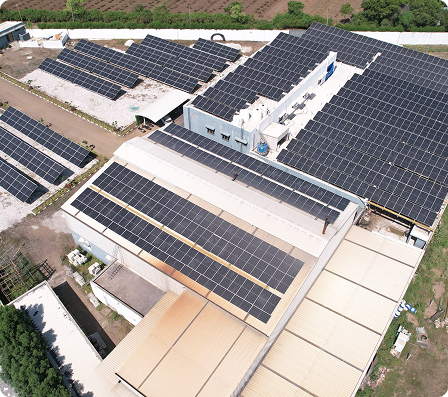
A solar service technician must possess technical expertise, diagnostic skills, and strong communication abilities to ensure reliable system performance. A skilled solar service technician brings a combination of technical knowledge and hands-on experience to maintain solar systems effectively. They must understand electrical systems, solar components, and system architecture to diagnose issues accurately. Proficiency in using diagnostic tools and interpreting technical schematics is essential for identifying inefficiencies or faults. Attention to detail enables technicians to detect early warning signs during routine inspections. Additionally, communication skills are crucial for explaining technical findings and maintenance recommendations to clients and commercial solar contractors. Technicians must also stay updated with evolving solar technologies and industry standards. This continuous learning ensures they can deliver high-quality service and adapt to advancements in solar energy systems.

Common Issues Identified During Commercial Solar Maintenance

During routine commercial solar maintenance, a solar service technician conducts comprehensive inspections to detect problems that can compromise energy output and system longevity. Identifying these issues early is critical to avoiding performance losses and ensuring safety. Working alongside a commercial solar contractor, technicians use diagnostic tools to catch even subtle signs of malfunction.

Below are the most commonly identified issues during commercial solar maintenance:

  • Soiling and Debris Accumulation : Dirt, dust, pollen, and bird droppings can block sunlight from reaching the panels, reducing overall efficiency.
  • Loose or Corroded Electrical Connections : These can cause voltage drops, arcing, or even fire hazards if left unaddressed.
  • Inverter Failures : Since inverters convert DC to AC power, their malfunction can halt energy production entirely.
  • Cracked or Broken Panels : Physical damage from hail, falling branches, or thermal stress can reduce energy capture.
  • Shading from Vegetation or Structures : New obstructions can cast shadows that severely impact panel performance.
  • Degraded Wiring or Insulation : Wear and tear from environmental exposure can lead to shorts and system failures.
  • Mounting System Shifts : Strong winds or ground settling can shift panel mounts, misaligning them from optimal sun angles.

By systematically addressing these common problems, technicians help maintain reliable system performance and maximize the return on investment for solar assets.

Preventative Measures by a Professional Commercial Solar Contractor

A professional commercial solar contractor plays a crucial role in maintaining long-term solar system efficiency through proactive strategies. Preventative maintenance is not just about fixing problems, it’s about avoiding them entirely. These contractors collaborate closely with solar service technicians to implement structured maintenance plans that protect system integrity and optimize performance.

Key preventative measures typically include:

  • Scheduled System Inspections : Routine visual and technical checks to catch potential issues early.
  • Performance Benchmarking : Monitoring system output against historical data to detect anomalies or underperformance.
  • Regular Panel Cleaning : Removal of dust, debris, and other obstructions that hinder sunlight absorption.
  • Electrical Component Testing : Verifying the condition and performance of inverters, connectors, and fuses.
  • Thermal Imaging Scans : Identifying hotspots or potential electrical issues not visible to the naked eye.
  • Vegetation Control : Trimming nearby trees or bushes to prevent shading and physical damage.
  • Updating Firmware and Software : Ensuring monitoring systems and inverters operate with the latest updates for optimal efficiency.

By employing these measures, commercial solar contractors in Florida ensure energy systems remain reliable, efficient, and cost-effective over their lifespan.
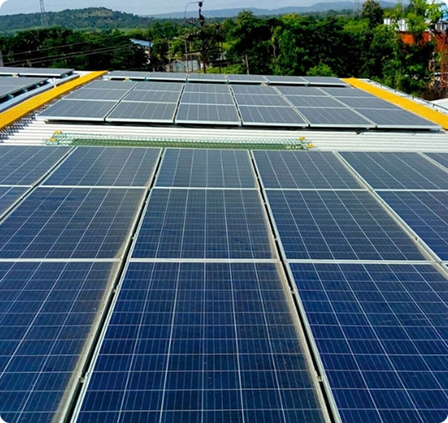
Solar Performance Monitoring: A Technician’s Perspective

From a technician’s perspective, solar performance monitoring is a critical component of system maintenance. Technicians utilize advanced monitoring tools to track real-time data on energy production, system efficiency, and potential faults. This data-driven approach enables the early detection of performance deviations, allowing for prompt corrective actions. Technicians analyze trends to predict maintenance needs and optimize system operations. Effective monitoring ensures that solar installations operate at peak performance, maximizing energy yield and return on investment. For solar service technicians, continuous monitoring is not just about oversight; it’s about proactive management of the system’s health and efficiency.

What Safety Protocols Do Solar Service Technicians Follow?

Solar service technicians follow strict safety protocols, including PPE usage and electrical safety procedures, to ensure safe and efficient operations. Safety is a fundamental aspect of every solar maintenance operation, and solar service technicians are trained to follow strict protocols. They use personal protective equipment (PPE) such as gloves, helmets, and harnesses to minimize risks during maintenance tasks. When working with electrical systems, technicians implement lockout/tagout procedures to prevent accidental energization. Working at heights requires proper fall protection and secure positioning to ensure stability. Technicians are also trained to identify potential hazards such as exposed wiring, structural weaknesses, or environmental risks. Regular safety training and adherence to OSHA standards further reinforce safe practices. By prioritizing safety, technicians not only protect themselves but also ensure the long-term reliability and performance of the solar systems they service.

The Value of Hiring a Florida-Based Commercial Solar Contractor

Hiring a Florida-based commercial solar contractor offers significant advantages for businesses in the region. Local contractors possess in-depth knowledge of the state’s climate, regulations, and permitting processes, ensuring efficient and compliant installations. Their proximity allows for prompt response times for maintenance and emergency services. Understanding regional weather patterns enables them to design systems resilient to local environmental challenges. Moreover, supporting local contractors contributes to the state’s economy and fosters community relationships. Engaging with a Florida-based commercial solar contractor ensures tailored solutions that align with local needs and conditions, enhancing the overall success of solar energy projects.

Technician Tools and Technology That Power Solar Efficiency

Solar service technicians rely on a suite of tools and technologies to maintain and enhance solar system efficiency. These include thermal imaging cameras to detect hotspots, multimeters for electrical diagnostics, and specialized software for performance monitoring. Drones equipped with high-resolution cameras assist in inspecting large or hard-to-reach installations. Advanced tools enable precise troubleshooting, ensuring timely and effective maintenance. By leveraging these technologies, technicians can identify issues before they escalate, optimize system performance, and extend the lifespan of solar installations. The integration of cutting-edge tools is essential for delivering high-quality service in the evolving solar industry.

How Does Professional Solar Maintenance Contribute to Sustainability?

Professional solar maintenance enhances sustainability by maximizing clean energy production and reducing environmental impact. Professional solar maintenance is essential for ensuring that solar systems consistently deliver their full environmental benefits. When solar panels operate at peak efficiency, they generate more clean energy, reducing reliance on fossil fuels and lowering carbon emissions. Regular maintenance also prevents system failures that could lead to energy losses or unnecessary replacements, minimizing waste. By extending the lifespan of solar equipment, businesses reduce the need for additional manufacturing resources and materials. Efficient systems also support broader sustainability goals, including improved ESG performance and reduced environmental footprint. In this way, professional maintenance not only protects system performance but also strengthens a company’s commitment to long-term environmental responsibility and sustainable energy practices.

Choosing Advanced Green Technologies for Long-Term Solar Success

Advanced Green Technologies (AGT) is the trusted choice for businesses seeking reliable, long-term commercial solar maintenance and system performance optimization. Backed by a team of certified solar service technicians, we deliver expert-level inspections, preventative care, and emergency support tailored to Florida’s unique climate conditions.
We proudly serve commercial clients in key Florida cities including Miami, Palm Beach, Tampa, Jacksonville, Fort Lauderdale, Fort Myers, and Orlando. Whether you operate a small business or a large-scale enterprise, AGT’s proven track record and regional expertise ensure your solar investment remains productive, sustainable, and compliant for years to come.

FAQs

Why is regular commercial solar maintenance important?
Regular maintenance ensures solar systems operate efficiently, prevents unexpected failures, and helps maximize long-term energy savings and ROI.
2. How often should commercial solar systems be maintained?
Commercial solar systems should typically be inspected and maintained at least twice a year, depending on environmental conditions and system usage.
3. What does a solar service technician do during maintenance?
A solar service technician performs inspections, cleans panels, checks electrical components, identifies faults, and ensures optimal system performance.
4. What skills are required for a solar service technician?
Technicians need strong electrical knowledge, diagnostic skills, attention to detail, and the ability to interpret system data and schematics.
5. What safety measures are followed during solar maintenance?
Technicians use PPE, follow lockout/tagout procedures, and adhere to safety standards to prevent accidents and ensure safe operations.
6. What are common issues found during commercial solar maintenance?
Common issues include dirt buildup, wiring problems, inverter faults, panel damage, and shading from nearby structures or vegetation.
7. How does solar maintenance support sustainability goals?
Maintenance ensures maximum clean energy production, reduces waste, lowers emissions, and extends system lifespan for better environmental impact.
8. Can poor maintenance affect solar system performance?
Yes, neglecting maintenance can lead to reduced efficiency, higher repair costs, and shorter system lifespan, impacting overall energy savings.