Home »
Key Factors to Consider Before Starting a Solar Farm Installation
Understanding Solar Farm Installation: What It Involves
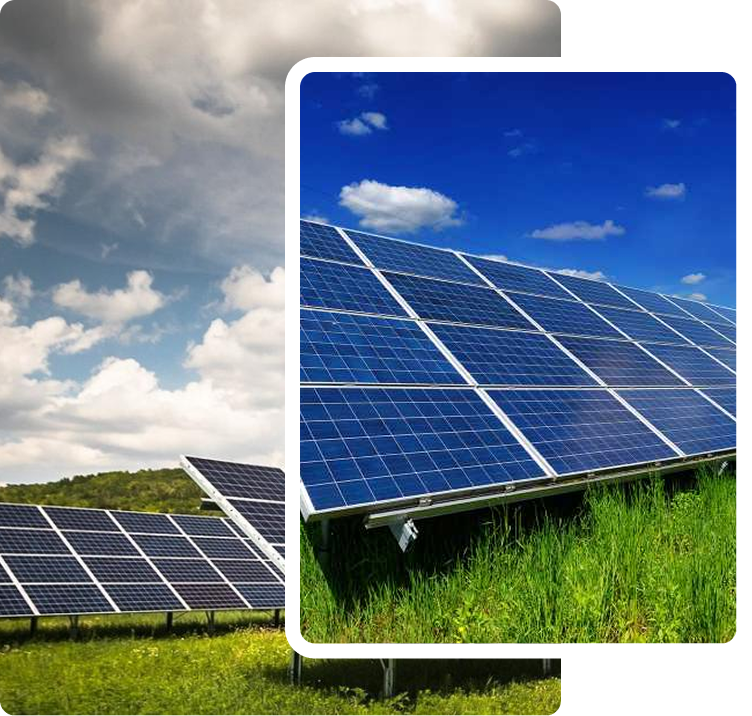
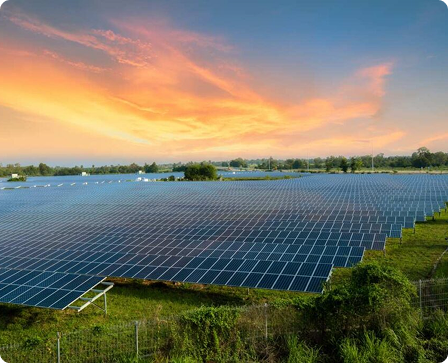
When considering a solar farm installation, it’s crucial to understand what the process entails. A solar farm typically includes rows of photovoltaic panels mounted on a large piece of land, designed to harness solar energy at scale. These installations generate electricity that feeds into the grid, providing a renewable energy source. Choosing the right layout, equipment, and location are essential steps. For landowners and investors in Florida, particularly in Miami, Palm Beach, Tampa, Jacksonville, Fort Lauderdale, Fort Myers, and Orlando, Advanced Green Technologies offers expert guidance and full-service solutions. As a leading solar farm company, we manage every phase from feasibility studies to final commissioning with local insight and precision.
Why Location Matters: Choosing the Ideal Site in Florida
Choosing the right location is critical for maximizing solar energy production, reducing costs, and ensuring long-term project success. Selecting the ideal site is one of the most important steps in a successful solar farm installation. In Florida, factors such as sun exposure, shading, and terrain directly impact energy generation efficiency. A suitable site should have high solar irradiance, minimal obstructions, and relatively flat land for easier installation. Proximity to substations and transmission lines is equally important, as it reduces infrastructure costs and simplifies grid connection. Additionally, zoning regulations, flood risks, and environmental restrictions must be carefully evaluated before development begins. Working with an experienced solar farm contractor ensures a thorough site assessment. By choosing the right location from the outset, businesses can optimize performance, lower operational costs, and maximize return on investment.
Why Should You Partner with the Right Solar Farm Contractor?
Partnering with the right solar farm contractor ensures efficient project execution, regulatory compliance, and long-term system reliability. Choosing the right solar farm contractor is essential for the success of any large-scale solar project. A qualified contractor brings expertise in design, permitting, procurement, and construction, ensuring each phase is handled efficiently. In Florida, where regulations and environmental conditions can be complex, working with an experienced contractor like Advanced Green Technologies helps prevent costly delays and compliance issues. A reliable contractor also manages project timelines, coordinates with suppliers, and adapts to unforeseen challenges during construction. Their ability to provide end-to-end solutions reduces the need for multiple vendors. Ultimately, partnering with the right contractor ensures high-quality installation, optimal system performance, and a smoother overall project experience.
Evaluating the Financial Investment and ROI
Every solar farm installation demands a thorough financial evaluation before the first panel is even placed. While the upfront capital can be substantial, the long-term benefits often outweigh the initial expense, especially with the incentives available in Florida. A reputable solar farm company like Advanced Green Technologies can guide you through financial modeling, helping you forecast both short-term cash flow and long-term returns. Here’s what you need to consider to assess the viability of your solar investment:
- Initial Capital Costs : Land acquisition, engineering, equipment (panels, inverters, racking), and labor.
- Incentives & Tax Credits : Federal Investment Tax Credit (ITC), accelerated depreciation, and Florida-specific incentives.
- Ongoing Maintenance : Partnering with a trusted solar farm contractor ensures predictable maintenance costs and optimal performance.
- Power Purchase Agreements (PPAs) : Satedy income through long-term contracts with utilities or corporations.
- Break-even Analysis : Typically achieved within 5–8 years, depending on scale and grid rates.
- Internal Rate of Return (IRR) : Well-designed solar farms can yield IRRs of 8–12% or higher over their lifespan.
By analyzing these factors with a local solar farm company, you’ll gain a clear picture of your financial outlook, helping you make a confident investment decision.
Regulatory and Permitting Requirements in Florida
Before launching a solar farm installation in Florida, understanding and complying with state and local regulations is essential. From land use permits to environmental approvals, each requirement can affect your timeline and budget. Engaging a professional solar farm contractor like Advanced Green Technologies ensures that your project aligns with Florida’s evolving legal landscape, reducing the risk of delays and non-compliance. Here are the key regulatory and permitting steps to consider:
- Zoning and Land Use Approval : Verify that the selected site is zoned for utility-scale solar development.
- Environmental Impact Assessments (EIA) : Required if the land affects wetlands, wildlife, or culturally sensitive areas
- Site Plan Review : Submission to local municipalities for review of layout, access roads, and buffer zones.
- Interconnection Agreements : Coordination with utility providers to connect your solar farm to the grid.
- Construction Permits : Electrical, structural, and general construction permits approved by local authorities.
- Stormwater Management Plans : Especially crucial in Florida due to frequent rainfall and flood risks.
A knowledgeable solar farm company will handle these steps with precision, ensuring that your project remains compliant, efficient, and fully prepared for construction.
Assessing Grid Connection and Energy Offtake Options
Connecting your solar farm to the power grid is a critical aspect of any solar farm installation. You’ll need to work closely with utility companies to secure interconnection agreements and choose the best energy offtake method. Many Florida-based projects use PPAs, net metering, or utility-scale sales to monetize their energy production. Advanced Green Technologies helps clients evaluate these options based on their energy goals and financial objectives. An experienced solar farm contractor will also conduct feasibility studies and grid impact assessments. This ensures that your solar farm runs efficiently and profitably from day one.
What Should You Consider for Scalability and Long-Term Maintenance in Solar Farms?
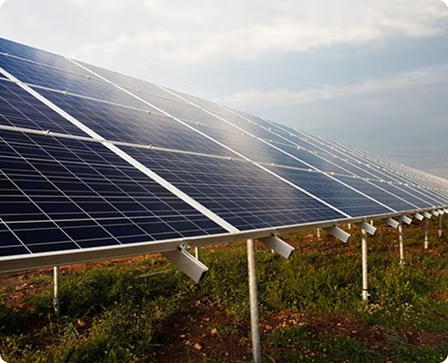
Planning for scalability and maintenance ensures solar farms remain efficient, expandable, and cost-effective over their lifespan. Scalability and long-term maintenance are key considerations when planning a solar farm installation. A well-designed system allows for future expansion without disrupting current operations, making it easier to meet growing energy demands. In Florida’s climate, ongoing maintenance is crucial due to factors like humidity, heat, and debris that can affect system performance. Partnering with a professional solar farm contractor ensures routine inspections, cleaning, and system monitoring are carried out effectively. Advanced Green Technologies provides comprehensive operations and maintenance services to support long-term reliability. By planning ahead for scalability and maintenance, businesses can protect their investment, ensure consistent energy output, and extend the operational lifespan of their solar farm.
Technology and Equipment Selection
Selecting the right technology is pivotal for the efficiency and durability of your solar farm installation. This includes choosing between monocrystalline or polycrystalline panels, string inverters vs. central inverters, and tracking systems that follow the sun’s path. Florida’s hot and humid climate demands weather-resistant components. Partnering with an expert solar farm contractor ensures that only top-tier equipment is used. Advanced Green Technologies evaluates your energy goals and matches them with industry-leading technology. Choosing the right solar farm company guarantees that you’re not just buying equipment, you’re investing in long-term performance and sustainability.
Environmental and Community Impact Assessment
Every large-scale solar farm installation must consider its environmental footprint and community response. In Florida, projects must often undergo impact studies to ensure local wildlife, wetlands, and cultural sites are protected. Community engagement is equally important, residents should be informed about the project’s benefits and potential disruptions. A responsible solar farm contractor like Advanced Green Technologies facilitates open communication and prioritizes sustainability. By conducting thorough environmental and community assessments, a reputable solar farm company builds trust, prevents resistance, and promotes successful integration of solar farms into local landscapes.
Why Should You Work with a Trusted Solar Farm Company in Florida?
Working with a trusted solar farm company ensures expert guidance, streamlined execution, and long-term project success. Collaborating with a trusted solar farm company is essential for delivering a successful and efficient solar project. In Florida, local expertise is especially valuable due to unique climate conditions, permitting requirements, and energy regulations. A reputable company like Advanced Green Technologies offers comprehensive services, from site assessment and system design to construction and post-installation support. Their integrated approach eliminates the need for multiple vendors and ensures better coordination across all project stages. Additionally, a trusted provider brings proven experience, strong industry relationships, and access to high-quality equipment. By working with an established solar farm company, businesses can achieve reliable performance, regulatory compliance, and long-term profitability from their solar investment.
Steps to Get Started with Solar Farm Installation Today
Getting started with your solar farm installation is easier when you have a clear action plan and a reliable partner. Begin by consulting with a seasoned solar farm company like Advanced Green Technologies. Our experts will assess your energy goals, evaluate potential sites, and create a tailored roadmap for your project. We proudly offer our full suite of services in Miami, Palm Beach, Tampa, Jacksonville, Fort Lauderdale, Fort Myers, and Orlando. From permitting to engineering, equipment procurement to grid connection, your dedicated solar farm contractor will manage every detail. Contact us today and take the first step toward a cleaner, more profitable energy future.
FAQs
Why is location important for solar farm installation?
Location affects sunlight exposure, energy production, and installation costs, making it a key factor in overall system efficiency and ROI.
2. What factors should be considered when selecting a solar farm site in Florida?
Important factors include sun exposure, land terrain, proximity to power lines, zoning regulations, and environmental conditions.
3. Why should I hire a professional solar farm contractor?
A professional contractor ensures proper planning, compliance with regulations, efficient construction, and long-term system performance.
4. What makes a good solar farm contractor?
A good contractor has proven experience, certifications, strong project portfolio, transparent pricing, and end-to-end service capabilities.
5. Can solar farms be expanded in the future?
Yes, with proper planning and scalable design, solar farms can be expanded to meet growing energy demands.
6. How important is maintenance for solar farms?
Regular maintenance is essential to ensure optimal energy output, prevent system failures, and extend the lifespan of solar equipment.
7. What services does a solar farm company provide?
A solar farm company offers services such as site assessment, design, permitting, installation, monitoring, and long-term maintenance.
8. Why should businesses work with a local solar farm company in Florida?
Local companies understand Florida’s regulations, climate conditions, and permitting processes, ensuring smoother and more efficient project execution.