

Home »
Step-by-Step Guide to Floating Solar Installation for Maximum Efficiency

Introduction
At Advanced Green Technologies, we specialize in delivering innovative energy solutions designed for Florida’s unique environment. Floating solar installation is quickly becoming one of the most efficient and sustainable ways to generate renewable energy. By using underutilized water surfaces, businesses can reduce land use while gaining superior system performance. A floating solar solution not only maximizes solar efficiency but also reduces water evaporation, creating environmental and economic benefits. As a leading commercial solar contractor, AGT provides expert design, installation, and maintenance services. This step-by-step guide explains how we ensure maximum efficiency, safety, and long-term results for every floating solar project in Florida.
What Makes Floating Solar Installation a Smart Choice?
Floating solar installation is a smart choice because it helps businesses preserve land, improve solar efficiency, reduce water evaporation, lower electricity costs, and support sustainability goals. For Florida businesses, it offers a space-saving renewable energy solution designed for long-term performance. Floating solar installation is gaining popularity as a cost-effective, space-saving solution for businesses. Unlike traditional ground-mounted systems, floating solar panels are installed on lakes, reservoirs, or retention ponds, allowing organizations to preserve valuable land for core operations. This approach delivers up to 15% greater efficiency thanks to the cooling effect of water. For businesses in Florida, floating solar solutions also help reduce water evaporation, support environmental conservation, and lower electricity bills. As a trusted commercial solar contractor, AGT ensures that floating solar projects meet strict safety and compliance standards while unlocking long-term energy savings. Choosing floating solar installation is a smart, forward-looking investment for sustainable business operations.
Understanding Floating Solar Solutions for Businesses
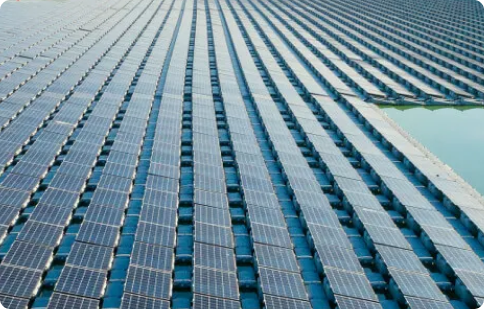
A floating solar solution is a renewable energy system where solar panels are installed on floating structures placed over water bodies such as lakes, reservoirs, or retention ponds. This innovative approach transforms underutilized water surfaces into sustainable power sources, offering businesses in Florida a practical and eco-friendly alternative to land-based systems. Partnering with a commercial solar contractor ensures proper design, installation, and maintenance tailored to unique business needs.
Key Benefits of Floating Solar Installation:
- Preserves land for commercial or industrial use.
- Boosts panel efficiency due to natural water cooling.
- Reduces evaporation in reservoirs and ponds.
- Supports sustainability goals and lowers carbon footprint.
- Offers scalable, long-term renewable energy solutions.
How Does a Commercial Solar Contractor Ensure Quality?
A commercial solar contractor ensures quality by completing site assessments, feasibility studies, custom engineering, permitting, procurement, installation, and safety compliance checks. For floating solar projects, this expertise helps create durable, efficient systems that can withstand Florida’s climate and deliver reliable ROI. The expertise of a commercial solar contractor is crucial to ensuring a reliable and long-lasting floating solar installation. At AGT, we begin by performing in-depth site assessments and feasibility studies, ensuring the water body is suitable for solar deployment. Our team engineers tailored floating solar solutions with robust anchoring systems, optimized layouts, and high-quality components to withstand Florida’s climate. Compliance with environmental regulations and safety codes is a top priority throughout the process. By managing procurement, permitting, and installation, we provide businesses with turnkey services. As a trusted commercial solar contractor, AGT ensures that every floating solar installation delivers maximum efficiency, durability, and measurable returns on investment.
Site Assessment and Feasibility for Floating Solar Projects
The first step in floating solar installation is a thorough site assessment. Our experts evaluate factors such as water depth, surface area, sunlight exposure, and environmental conditions to determine feasibility. These assessments ensure that the selected site can support a floating solar solution that meets both technical and regulatory requirements. In Florida, special considerations include hurricane resilience and compliance with state water management rules. As an experienced commercial solar contractor, AGT guides clients through this critical planning stage, identifying potential risks while maximizing opportunities for efficiency. Accurate feasibility studies help create a strong foundation for successful floating solar installations that provide long-term energy savings.
Designing a Floating Solar Solution Tailored to Florida Businesses
After site approval, the next stage involves designing a customized floating solar solution. Advanced Green Technologies creates layouts that maximize sunlight capture while ensuring durability and safety. Design elements include choosing floating platforms, anchoring systems, electrical cabling, and inverter placement. Each floating solar installation is tailored to meet the unique needs of Florida businesses, whether for industrial, municipal, or agricultural use. Our team emphasizes scalability, allowing companies to expand systems as energy needs grow. By combining advanced engineering with local expertise, AGT ensures every floating solar solution is both efficient and sustainable. As a commercial solar contractor, we deliver systems that exceed expectations.
What Are the Key Steps in Floating Solar Installation?
A floating solar installation follows a structured process to ensure efficiency, safety, and long-term performance. At Advanced Green Technologies, we design and execute each project with precision to meet Florida’s environmental and regulatory standards. As a trusted commercial solar contractor, our team manages every stage from planning to final connection, delivering reliable renewable energy for businesses. Main Steps in a Floating Solar Solution:
- Conduct a detailed site assessment and feasibility study.
- Design the floating platform and anchoring system.
- Mount solar panels securely onto floating structures.
- Connect cabling and install inverters for energy conversion.
- Link the system to the grid with safety compliance checks.
- Perform testing and quality assurance for maximum efficiency.
Safety and Compliance in Commercial Floating Solar Projects
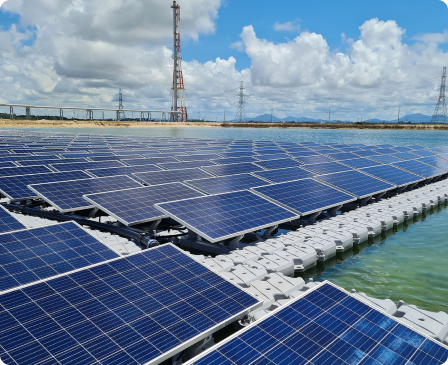
Safety and regulatory compliance are essential parts of any floating solar installation. Florida’s climate requires systems that can withstand high winds, heavy rains, and potential hurricanes. Our team ensures that every floating solar solution meets state and federal standards, including environmental safeguards to protect aquatic ecosystems. Advanced Green Technologies uses high-quality anchoring and electrical systems designed for durability and safety. As a licensed commercial solar contractor, we handle all permitting and inspections to guarantee compliance from start to finish. With AGT, businesses gain peace of mind knowing their floating solar installation is not only efficient but also fully aligned with safety regulations.
Maximizing Efficiency Through Ongoing Maintenance
A floating solar installation requires consistent maintenance to achieve maximum efficiency over time. At AGT, we provide tailored maintenance plans that include regular inspections, cleaning, and system performance monitoring. Florida’s climate can introduce challenges such as algae buildup, debris, and fluctuating water levels, which require professional attention. Our floating solar solutions are supported by advanced monitoring systems that track energy output and detect issues early. As a commercial solar contractor, we offer proactive maintenance strategies that minimize downtime and extend system life. Regular maintenance ensures that businesses continue to enjoy reliable, cost-effective, and sustainable energy from their floating solar installations.
The Role of Advanced Green Technologies in Florida’s Renewable Future
Advanced Green Technologies plays a leading role in advancing renewable energy solutions across Florida. Our expertise in floating solar installation helps businesses transform underutilized water surfaces into reliable clean energy sources. With every floating solar solution, we contribute to reducing carbon emissions, supporting environmental goals, and promoting energy independence for Florida’s industries. As a commercial solar contractor, we bring years of experience, proven processes, and a commitment to innovation. Our mission is to help organizations embrace sustainable practices while achieving measurable savings. Partnering with AGT means choosing a trusted leader in commercial solar that is shaping Florida’s renewable future.
Partner with a Trusted Commercial Solar Contractor Today
When it comes to floating solar installation, choosing the right partner makes all the difference. Advanced Green Technologies provides end-to-end services, from site assessments and design to installation and ongoing maintenance, ensuring each project delivers maximum efficiency and long-term value. Our floating solar solutions are tailored to the needs of Florida businesses, helping reduce costs while supporting sustainability goals. As a leading commercial solar contractor, we proudly serve clients across Miami, Palm Beach, Tampa, Jacksonville, Fort Lauderdale, Fort Myers, and Orlando. With proven expertise and a commitment to quality, AGT is your trusted partner for renewable energy. Contact us today to power your future with floating solar.
FAQs
1. What is floating solar installation?
Floating solar installation is the process of installing solar panels on water surfaces such as lakes, reservoirs, retention ponds, or other suitable water bodies.
2. Why is floating solar installation a smart choice for Florida businesses?
Floating solar installation is a smart choice because it preserves land, improves panel efficiency through water cooling, reduces evaporation, lowers electricity costs, and supports sustainability goals.
3. How does a floating solar solution improve energy efficiency?
A floating solar solution improves energy efficiency by keeping panels cooler, reducing heat stress, and helping solar panels produce more energy in Florida’s hot climate.
4. What does a commercial solar contractor do in floating solar projects?
A commercial solar contractor manages site assessment, system design, permitting, engineering, installation, safety compliance, testing, and long-term maintenance.
5. What are the key steps in floating solar installation?
Key steps include site assessment, feasibility study, system design, platform and anchoring setup, panel mounting, electrical connection, grid linking, testing, and quality assurance.
6. Is floating solar installation safe for Florida’s climate?
Yes, when designed by an experienced commercial solar contractor, floating solar systems can be built to withstand Florida’s heat, heavy rain, strong winds, and storm conditions.
7. Why does floating solar require ongoing maintenance?
Ongoing maintenance helps manage algae buildup, debris, fluctuating water levels, electrical performance, and system efficiency to ensure long-term energy production.
8. Why choose Advanced Green Technologies for floating solar installation?
Advanced Green Technologies provides expert floating solar solutions, site-specific design, professional installation, safety compliance, and ongoing maintenance for Florida businesses.