
Home »
How Floating Solar Panels Optimize Space and Energy Production for Maximum Efficiency
Introduction
As the demand for renewable energy continues to surge, floating solar panels have emerged as a transformative solution that maximizes space utilization while boosting energy output. Unlike traditional ground-mounted or rooftop systems, floating solar farms utilize underused water bodies—such as reservoirs, lakes, and ponds—to generate clean, reliable electricity with greater efficiency.
Florida, known for its abundant sunlight and extensive water infrastructure, offers ideal conditions for floating solar adoption. With increasing pressure to meet sustainability goals while preserving land resources, organizations are turning to advanced solar technologies. Advanced Green Technologies is at the forefront of this transition, delivering engineered floating solar farm solutions that help businesses and municipalities reduce emissions, control costs, and optimize space.
This article explains how floating solar panels optimize space and energy production, outlines the advantages of floating solar farms, examines the growth of the floating solar panels market, and highlights how Advanced Green Technologies is driving innovation across Florida.
The Growing Demand for Renewable Energy in Florida
Key drivers accelerating renewable energy adoption in Florida include:
- Statewide clean energy targets aimed at reducing fossil fuel dependence
- Corporate sustainability commitments and ESG reporting requirements
- Rising utility costs encouraging long-term solar investments
- Financial incentives and tax benefits supporting solar deployment
By leveraging floating solar panels, Florida can expand renewable energy capacity without competing with agriculture, housing, or conservation land—making floating solar a strategic solution for sustainable growth.
What Are Floating Solar Panels?
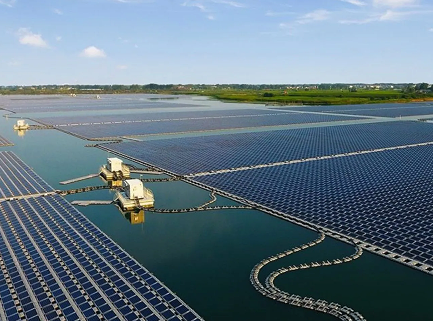
Floating solar panels are photovoltaic systems installed on buoyant platforms that float on water bodies, generating electricity while conserving land and improving efficiency. Floating solar panels consist of standard PV modules mounted on engineered floating structures. These systems convert sunlight into electricity just like traditional solar farms but offer additional environmental and operational advantages.
Key characteristics of floating solar panels include:

- No land requirement, ideal for space-constrained regions
- Natural water-based cooling that improves panel efficiency
- Reduced water evaporation and enhanced water management
- Flexible deployment on reservoirs, ponds, canals, and treatment facilities
Floating solar panels are increasingly deployed on drinking water reservoirs, wastewater treatment plants, irrigation systems, and hydropower dams, maximizing energy production from existing infrastructure.
How Floating Solar Panels Optimize Space and Energy Production
Maximizing Land Use Efficiency
In densely populated or environmentally sensitive regions, land availability often limits solar expansion. Floating solar farms overcome this barrier by utilizing water bodies that are otherwise unused for energy generation. In Florida, where wetlands and reservoirs are widespread, floating solar technology enables large-scale solar deployment without disrupting urban development, agriculture, or natural habitats.
Enhanced Solar Panel Efficiency
Water Conservation Benefits
Lower Maintenance and Cleaner Panels
Benefits of Floating Solar Farms
Higher Energy Yield
Thanks to the cooling effect of water, floating solar panels produce more energy than their land-based counterparts. This increased efficiency makes them a smart investment for large-scale renewable energy projects.
Reduced Land Costs
Land prices are continuously rising, especially in high-demand areas. Floating solar farms eliminate the need for land purchases, significantly reducing overall project costs.
Improved Water Quality
Eco-Friendly Power Generation
The Floating Solar Panels Market and Its Growth
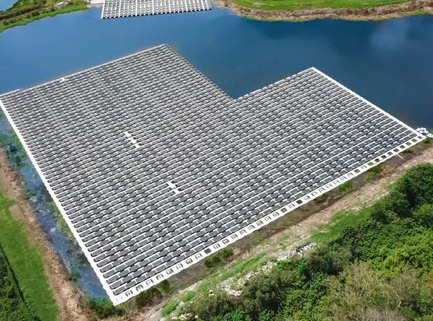
- Increasing global and regional electricity demand
- Government incentives supporting floating solar adoption
- Advancements in floating structures, anchoring, and PV efficiency
- Corporate sustainability and decarbonization commitments
How Advanced Green Technologies Is Leading the Way in Florida
- Detailed site feasibility and water body assessments
- Custom-engineered floating solar farm designs
- Professional installation using proven floating solar systems
- Long-term monitoring, operations, and maintenance support
By combining engineering expertise with Florida-specific experience, Advanced Green Technologies helps clients deploy floating solar projects that deliver maximum efficiency and long-term value.
Challenges and Solutions for Floating Solar Installations
Higher Initial Costs
Environmental Considerations
Access and Maintenance
Future of Floating Solar Energy
- Hybrid systems combining floating solar with hydropower
- Advanced materials that improve durability and reduce costs
- Expansion into offshore and coastal floating solar installations
These developments position floating solar farms as a cornerstone of the global clean energy transition.
Conclusion
With deep expertise in renewable energy systems, Advanced Green Technologies continues to lead the deployment of floating solar technology across Florida—helping organizations achieve sustainability goals with confidence and performance.